
Category: Daily Chemicals
-
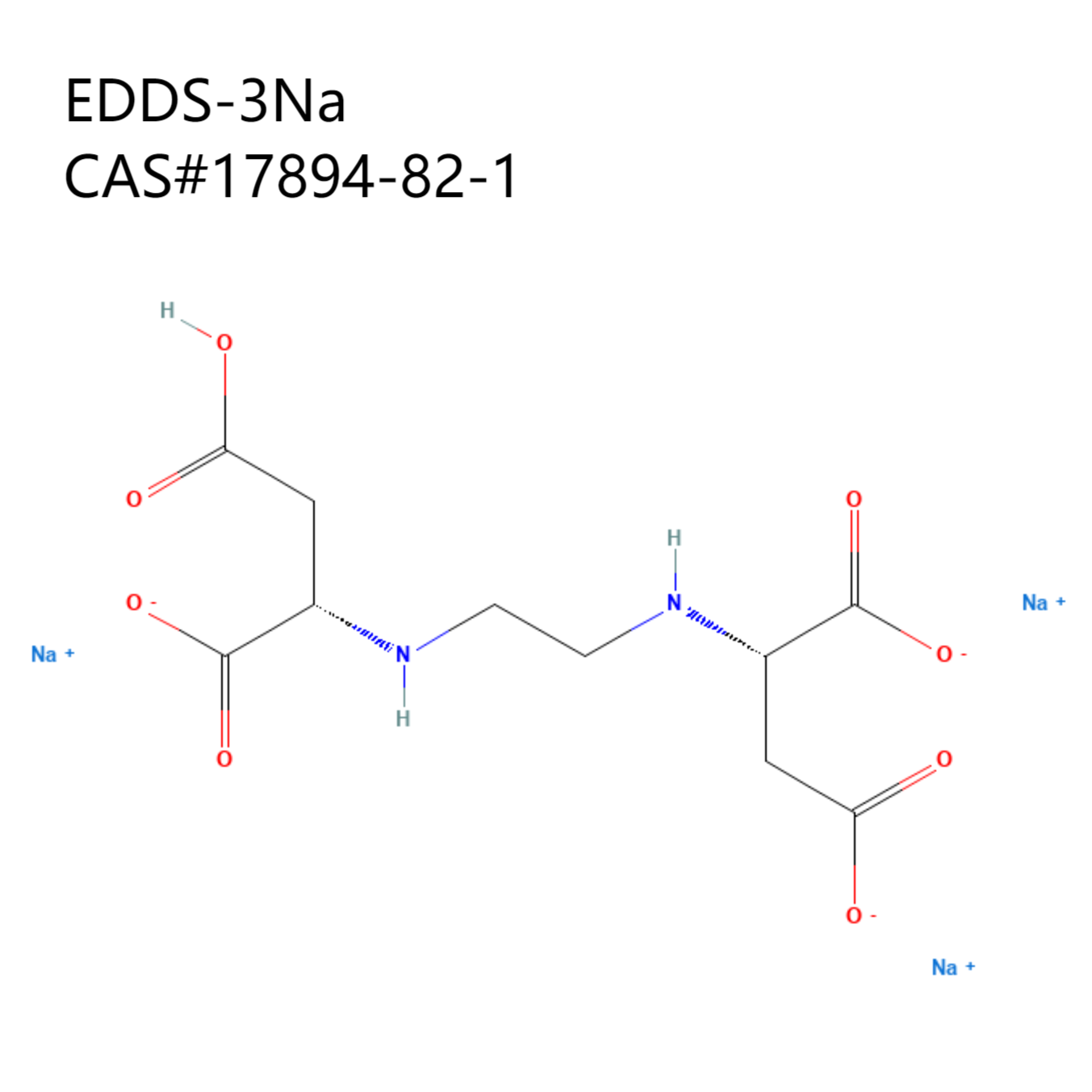
S,S-EDDS
Chelating Agents, Complexing Agent, Cosmetic Ingredient, EDDS, sequestering agent, Water Treatment Chemicals(S,S)-Ethylenediamine disuccinic acid trisodium saltL-Aspartic acid, N,N’-1,2-ethanediylbis-, sodium salt (1:3); CAS No.: 178949-82-1; 474787-13-8EC / List no.: 605-842-8 Synonyms:N,N’-EthyleneDiamine Disuccinic acid Sodium salt, EDDS;Trisodium ethylenediamine disuccinate; エチレンジアミンジコハク酸3Na;Sodium ethylene diamine disuccinate;IUPAC Name:trisodium 2-({2-[(1-carboxy-2-carboxylatoethyl)amino]ethyl}amino) butanedioate S,S-EDDS trisodium is an biodegradable non-phosphorus chelating agent (sequestering / complexing agent). Technical Data Appearance Pale clear liquid Solubility Soluble in water…
-
EDDA acid
Chelating Agents, Complexing Agent, Cosmetic Ingredient, EDDS, sequestering agent, Water Treatment ChemicalsCAS number: 20846-91-7;EC No.: 439-840-1; Synonyms:N,N-Ethylenediamine disuccinic acid; 1-Ethylenediaminedisuccinic acid;N,N’-Ethylenediaspartic acid;EDDA acid (without sodium salt);Aspartic acid,N,N’-ethylenedi-(7CI);Aspartic acid,N,N’-ethylenedi-,1,1-(8CI); EDDA acid (EthyleneDiamine Disuccinic acid) is an biodegradable phosphorus-free chelating agent / sequestering agnet / complexing agent. Technical DataAppearance: White solidActive content (as free acid): ≥98.0%Optical purity (enantiomeric excess): ≥99.0%Heavy metal (as Lead): <0.001% Similar Chemical:EthyleneDiamine Disuccinic acid…
-

Cocamidopropyl Betaine
CAS number: 61789-40-0; 86438-79-1; English namesCocoyl amide propyldimethyl glycine;1-propanaminium, N-carboxymethyl-N,N-dimethyl-3-amino-,N-(mixed coco acyl and 9-octadecenoyl) derivs.,hydroxides, inner salts; AbbreviationCAB 30 (active matter content ~30%);CAB 35 (solid content ~35%); Cocamidopropyl Betaine (CAB/CAPB) is a class of zwitterionic surfactant (amphoteric surfactant) known for its mildness and fine, stable foam. It is commonly used in personal care and household…
-
Bentonite
Food additive bentonite has good adsorption of proteins, and at the same time has the effect of clarification, clarification without odor residue does not affect the taste and other characteristics. Bentonite plays a role in clarifying and stabilizing the body of wine in the brewing of fruit juice, alcohol, soy sauce, vinegar and wine, and…
-
PEG-30 Dipolyhydroxystearate
CAS No.: 827596-80-5;Chemical names:Octadecanoic acid, 12-hydroxy-, polymer with oxirane, triblock;PolyEthylene Glycol 30 Dipolyhydroxystearate; ジポリヒドロキシステアリン酸ポリエチレングリコール;PEG-30 di-polyhydroxystearatic acid; ジポリヒドロキシステアリン酸PEG-30; PEG-30 Dipolyhydroxystearate is a water-in-oil emulsifier, fat soluble, with excellent high temperature stability. It is suitable for cosmetics, make-up and sunscreen products.It can be used to emulsify various fats and oils, and can be used in high electrolyte…
-
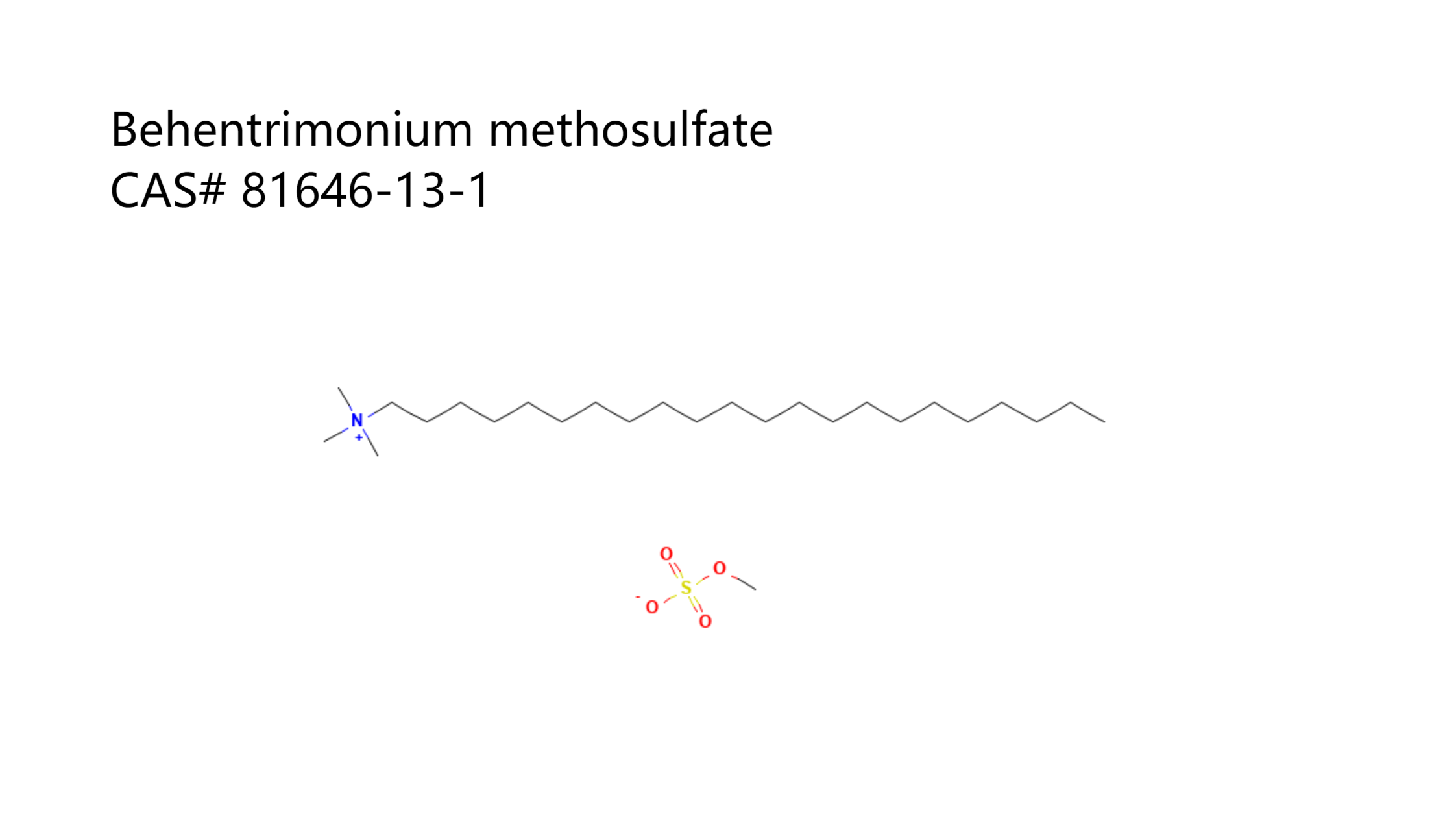
Behentrimonium methosulfate
Behentrimonium methosulfate is used as antistatic agent, hair conditioning agent, hair anti-tangle ingredient, surfactant, etc.
-
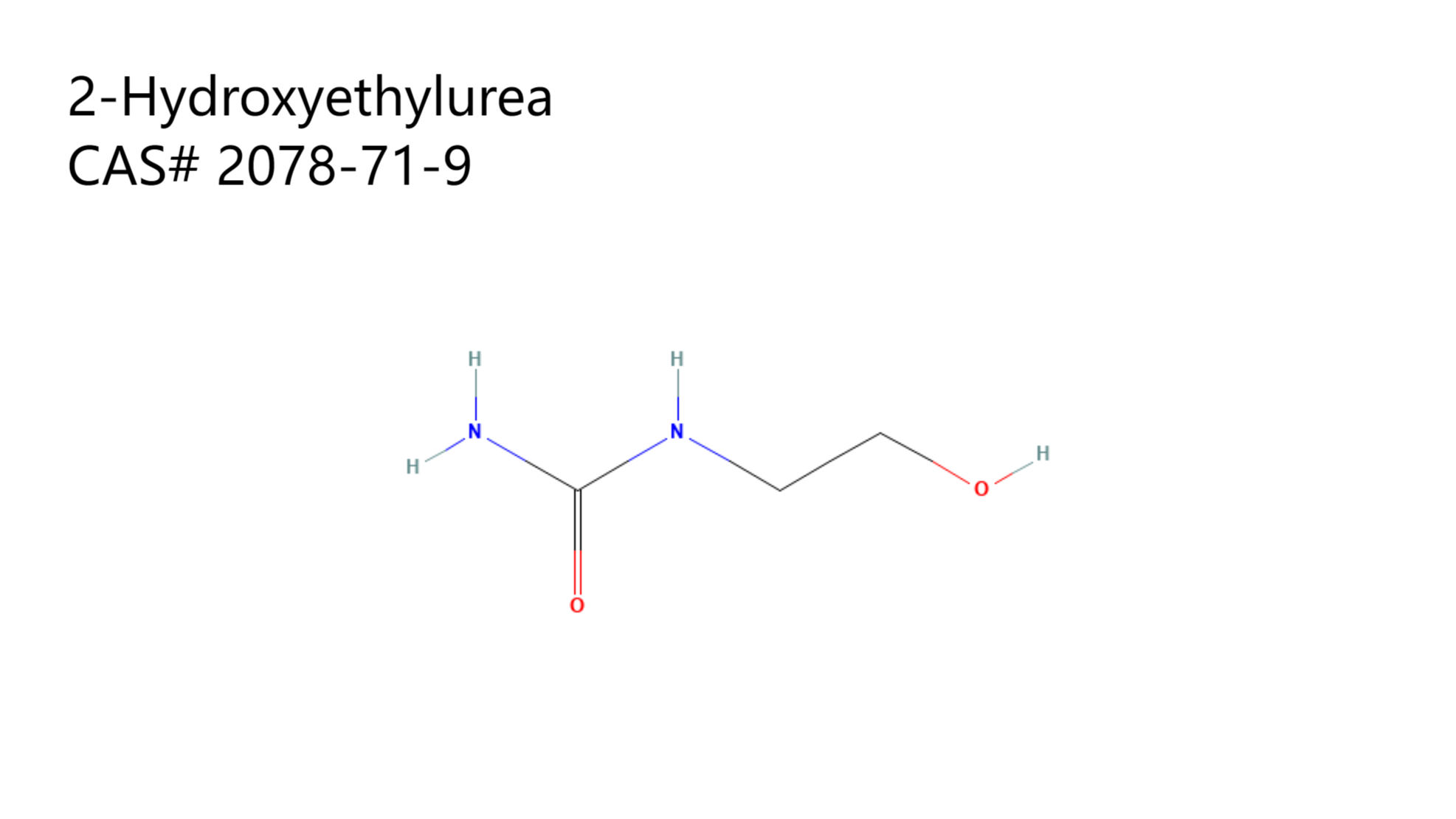
Hydroxyethyl urea
Hydroxyethylurea, used in large quantities in cosmetic moisturizing products, is used as a humectant.
-
Triethanolamine quaternary compounds
CAS Number: 91995-81-2;EC No.: 295-344-3; Chemical names:Fatty acids, C10-20 and C16-18-unsaturated, reaction products with triethanolamine, dimethyl sulfate-quaternized;Fatty acids, (C=10-20) and (C=16-18)-unsated., reaction products with triethanol amine, di-Me sulfate-quaternized; CAS#91995-81-2 is one of TEAQ (Triethanolamine quaternary compounds), which is belong to Ester Quats (Ester Quaternary Ammonium Salts). It is an ideal cationic surfactant for use as…
-

Ester Quaternary Ammonium Salt
TEAQ (Triethanolamine quaternary compounds), DEEDMAC (diethyloxyester dimethylammonium chloride), HEQ, etc.
-
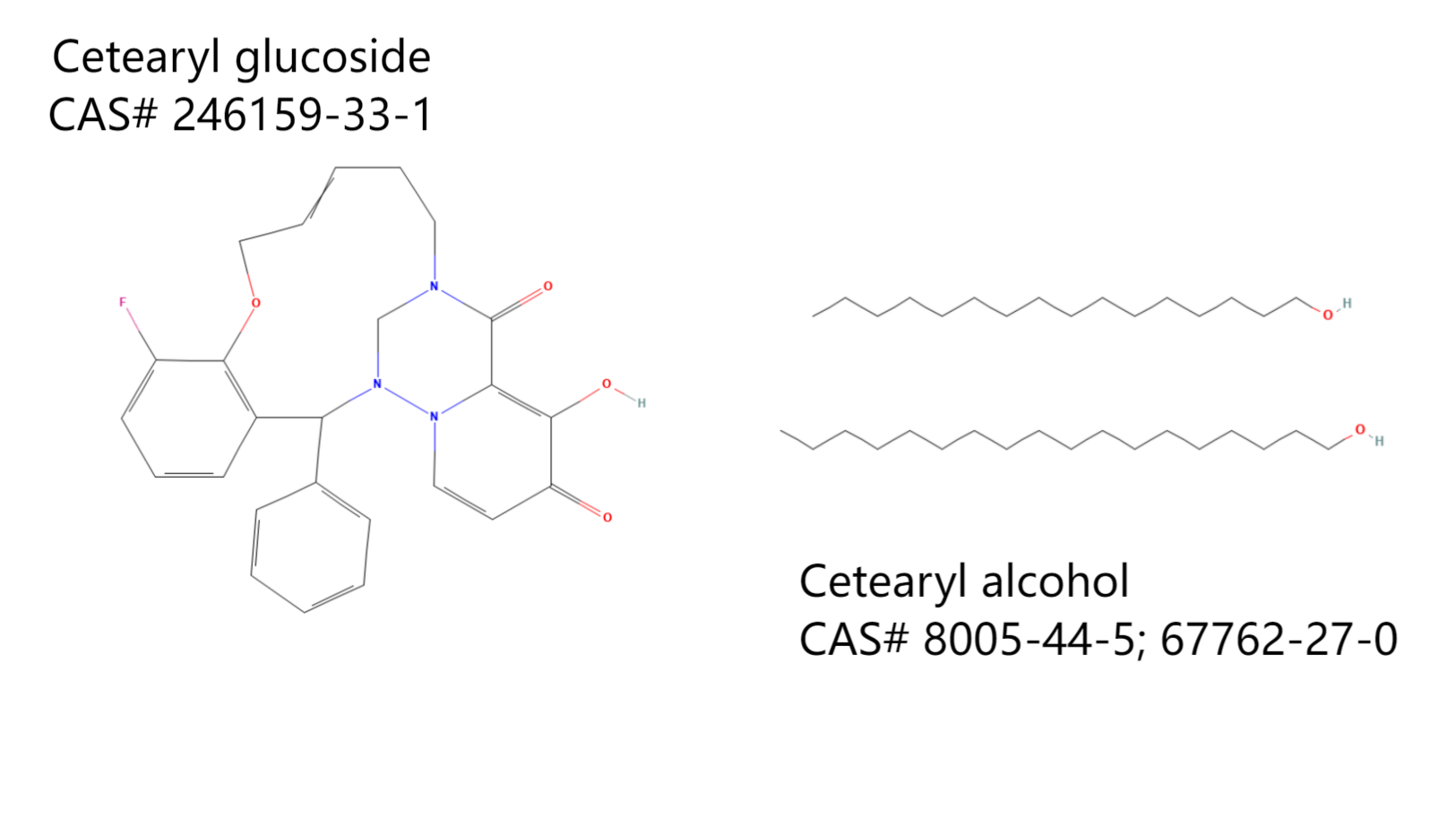
Cetearyl glucoside and Cetearyl alcohol
Cetearyl glucoside and Cetearyl alcohol (GM68, APG1618) is a mixture of about 25% alkyl glycosides, which is formed by dehydration of fatty alcohols of plant origin and glucose of plant origin. GM68 is an O/W nonionic emulsifier with self-emulsifying and self-thickening effect. Its lipophilic fatty groups and hydrophilic glucose groups are plant origin, without solvents…
-
Alkyl PolyGlycosides APGs
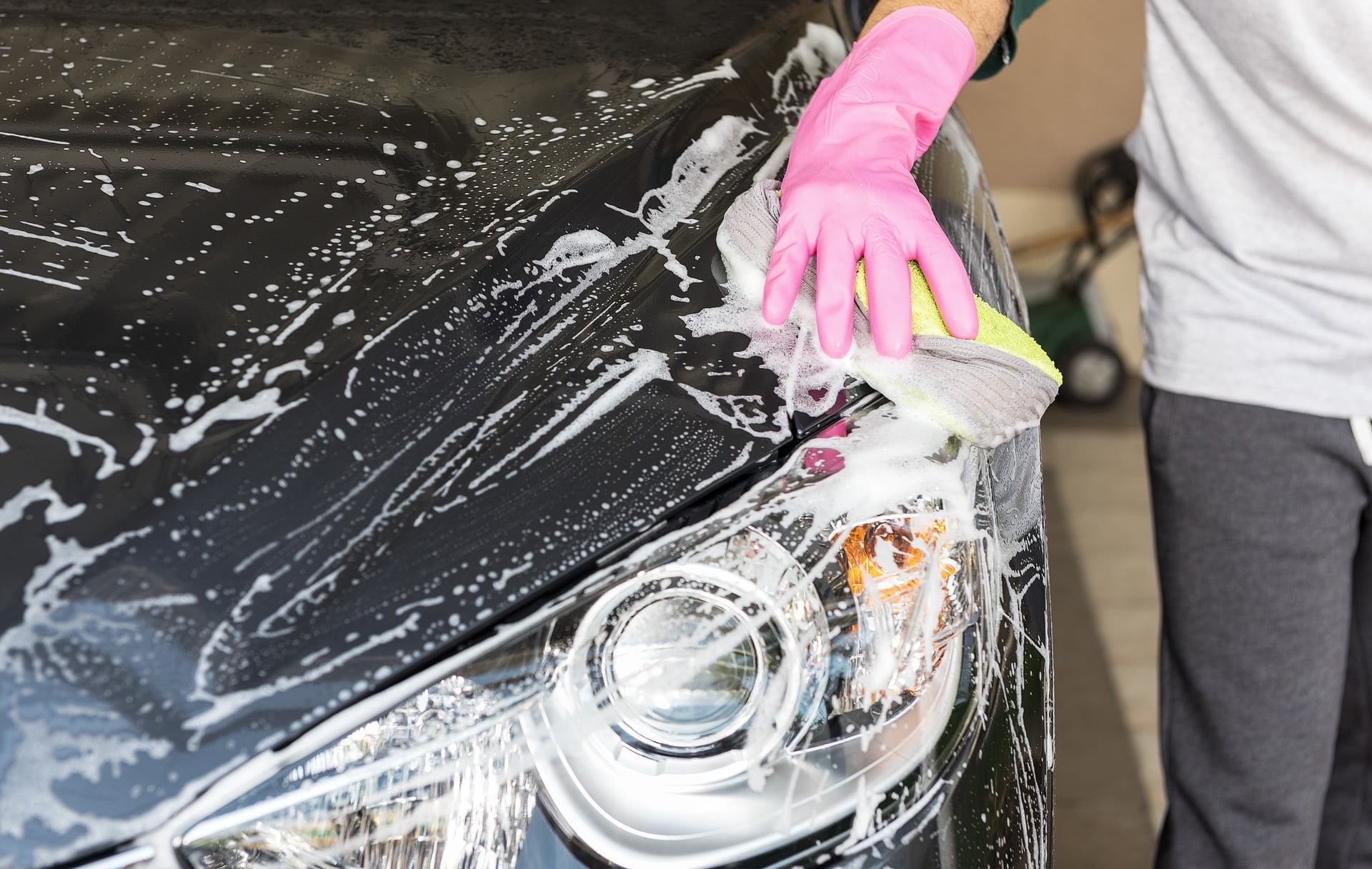
Alkyl PolyGlycosides (APGs) are nonionic surfactants, compounds synthesised from glucose and fatty alcohols. APG 0810 has between 8 and 10 carbon atoms in its molecular structure. APG 1214 may contain more carbon atoms in its molecular structure, resulting in a relatively high viscosity. Uses For daily chemical, we can provide APGs made from renewable plant…
-
Difference between APG0810 and APG1214
Alkyl Polyglycosides, APG0810, APG1214, Applications, Cosmetic Ingredient, Nonionic surfactants, SurfactantsAlkyl polyglycosides (APGs) are compounds synthesised from glucose and fatty alcohols, nonionic surfactants. The main difference between alkyl polyglycoside 0810 and 1214 lies in their molecular structure and performance characteristics: APG0810 is more permeable and is usually used more in industrial applications.APG1214, in contrast, is milder and is more often used in household detergents. In…