
Category: Textile Chemicals
-

PAAS
Polyacrylic Acid Sodium Salt (Low molecular) Molecular weight: 4500±1000 CAS number: 9003-04-7 Sodium polyacrylate; Acrylic homopolymer sodium salt This sodium polyacrylate product is a low molecular weight grade (approximately 5,000 Da): it serves as a dispersant and anti-deposition agent in industries such as detergent and daily chemical additives, water treatment chemicals, textile dyeing and printing…
-

Cocamidopropyl Betaine
CAS number: 61789-40-0; 86438-79-1; English namesCocoyl amide propyldimethyl glycine;1-propanaminium, N-carboxymethyl-N,N-dimethyl-3-amino-,N-(mixed coco acyl and 9-octadecenoyl) derivs.,hydroxides, inner salts; AbbreviationCAB 30 (active matter content ~30%);CAB 35 (solid content ~35%); Cocamidopropyl Betaine (CAB/CAPB) is a class of zwitterionic surfactant (amphoteric surfactant) known for its mildness and fine, stable foam. It is commonly used in personal care and household…
-

Sodium Dodecyl Benzene Sulphonate
CAS No.: 25155-30-0; 69669-44-9;EC No.: 246-680-4; Sodium dodecylbenzene sulfonate is a highly efficient anionic surfactant, degradable, with good hydrophilic, foaming, penetration, emulsification, degreasing and dispersion properties. Uses It can be used as daily detergent, industrial cleaning agent, textile agents, emulsifier in rubber industry, degreasing agent in electroplating industry, deinking agent in papermaking industry, flotation agent…
-
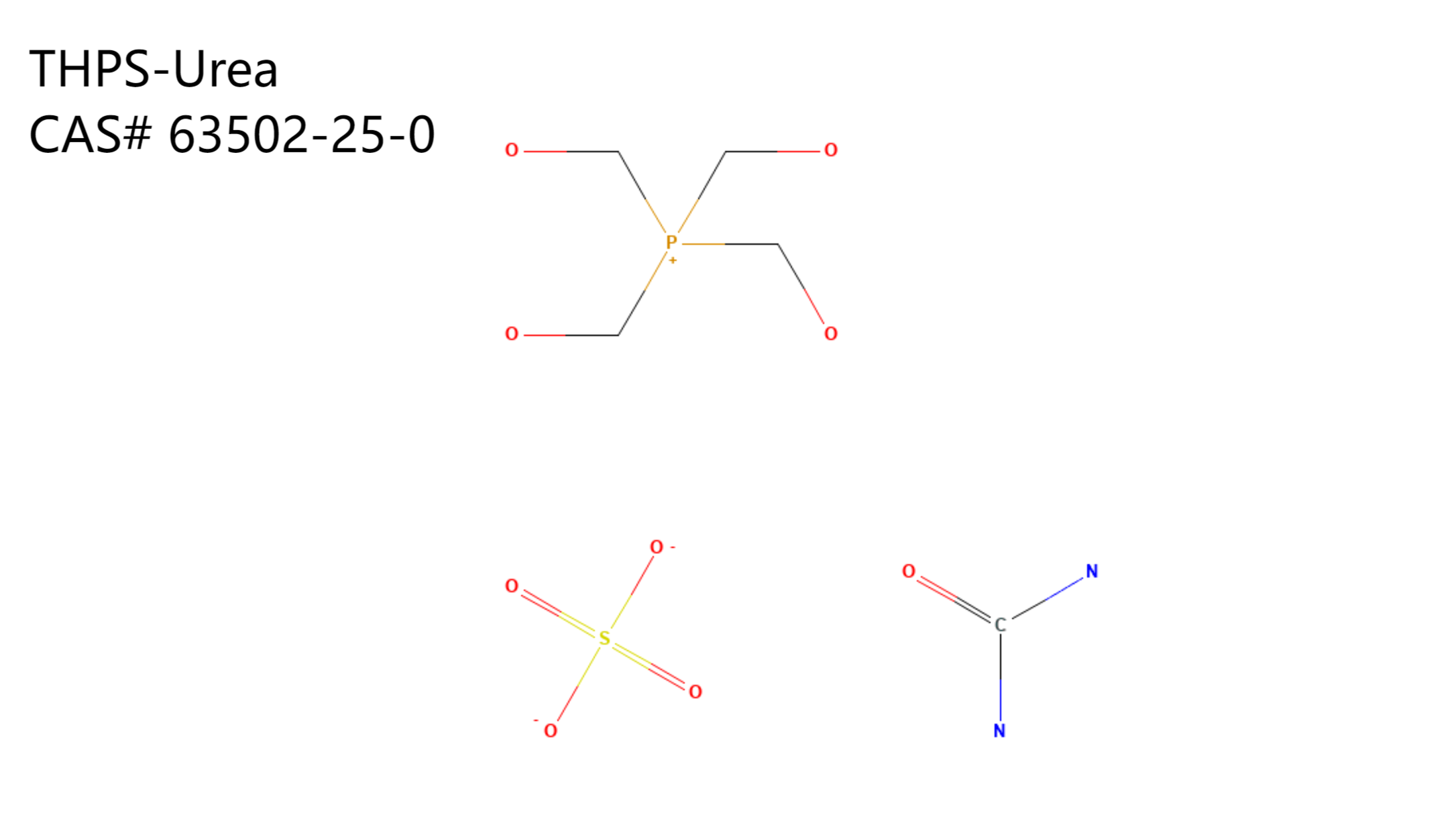
THPS-Urea
THPS-Urea is used for permanent flame retardant treatment of pure cotton or polyester cotton and other fabrics. The treated fabrics have excellent flame retardant properties, good hand feel and wash resistance.
-
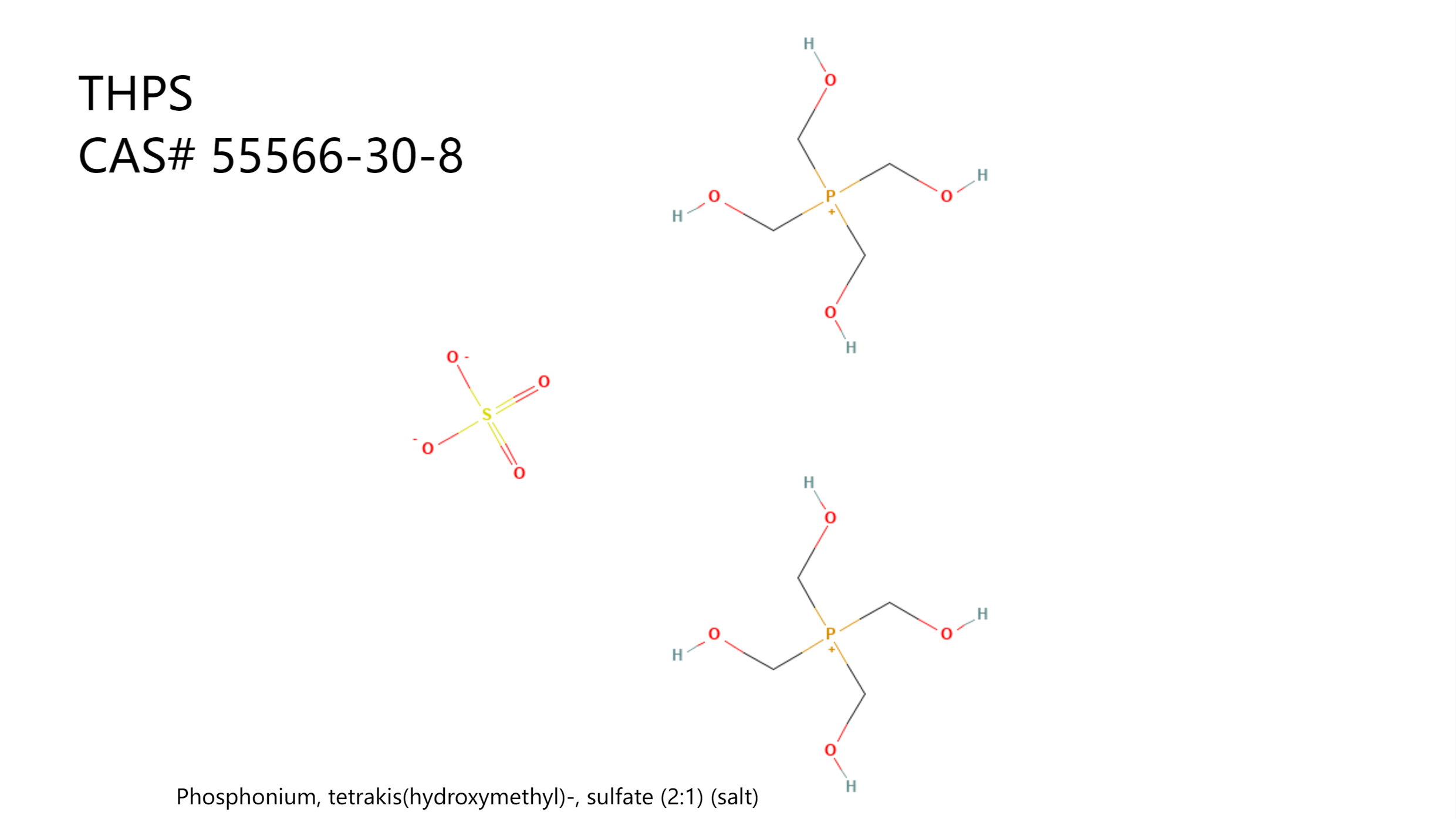
THPS
THPS is biocide, fungicide, flame retardant. Used in oilfield, water treatment chemicals. EC# 259-709-0
-
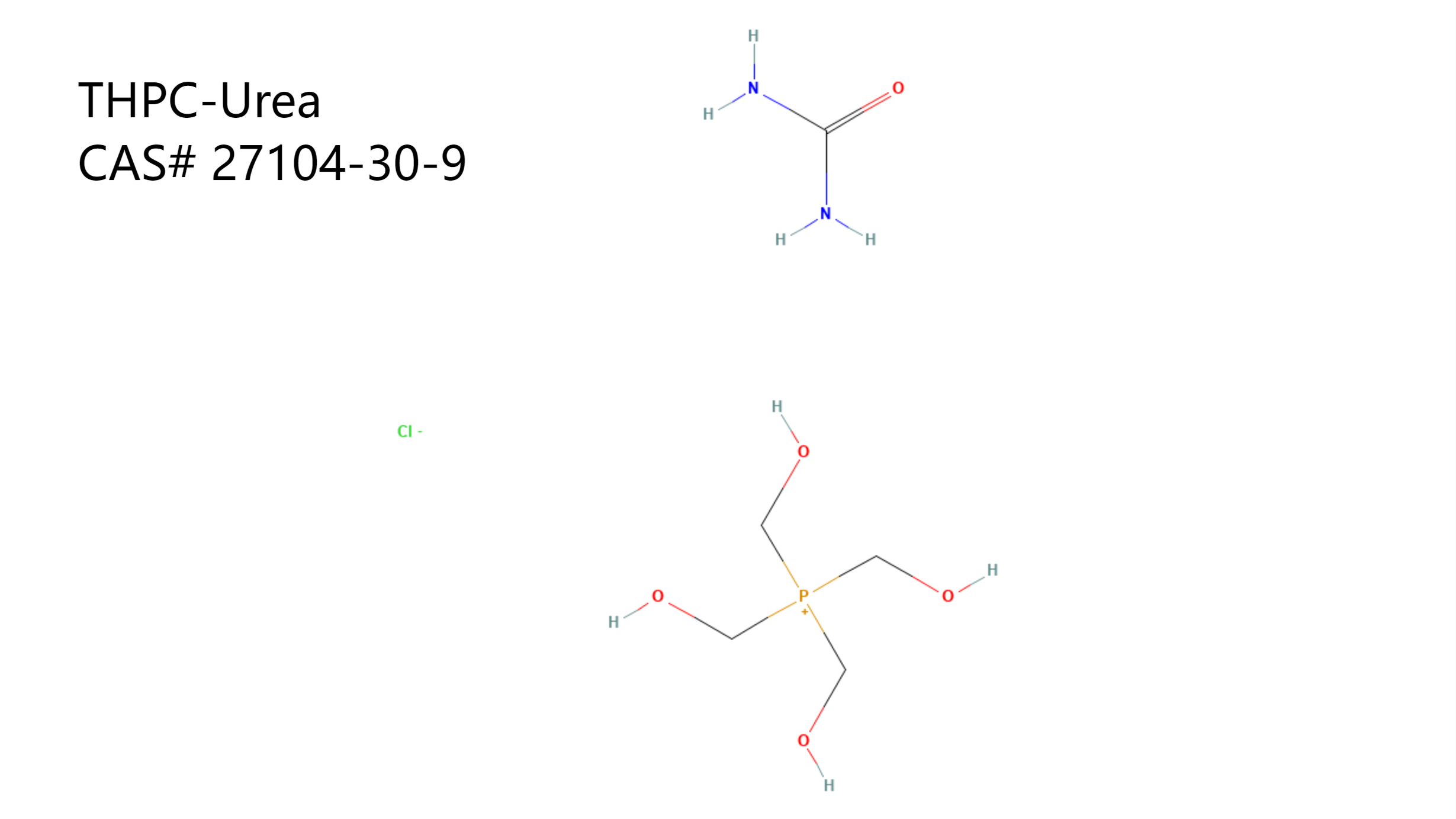
THPC-Urea
THPC-Urea is flame retardant for cotton and polyester fabrics.
-
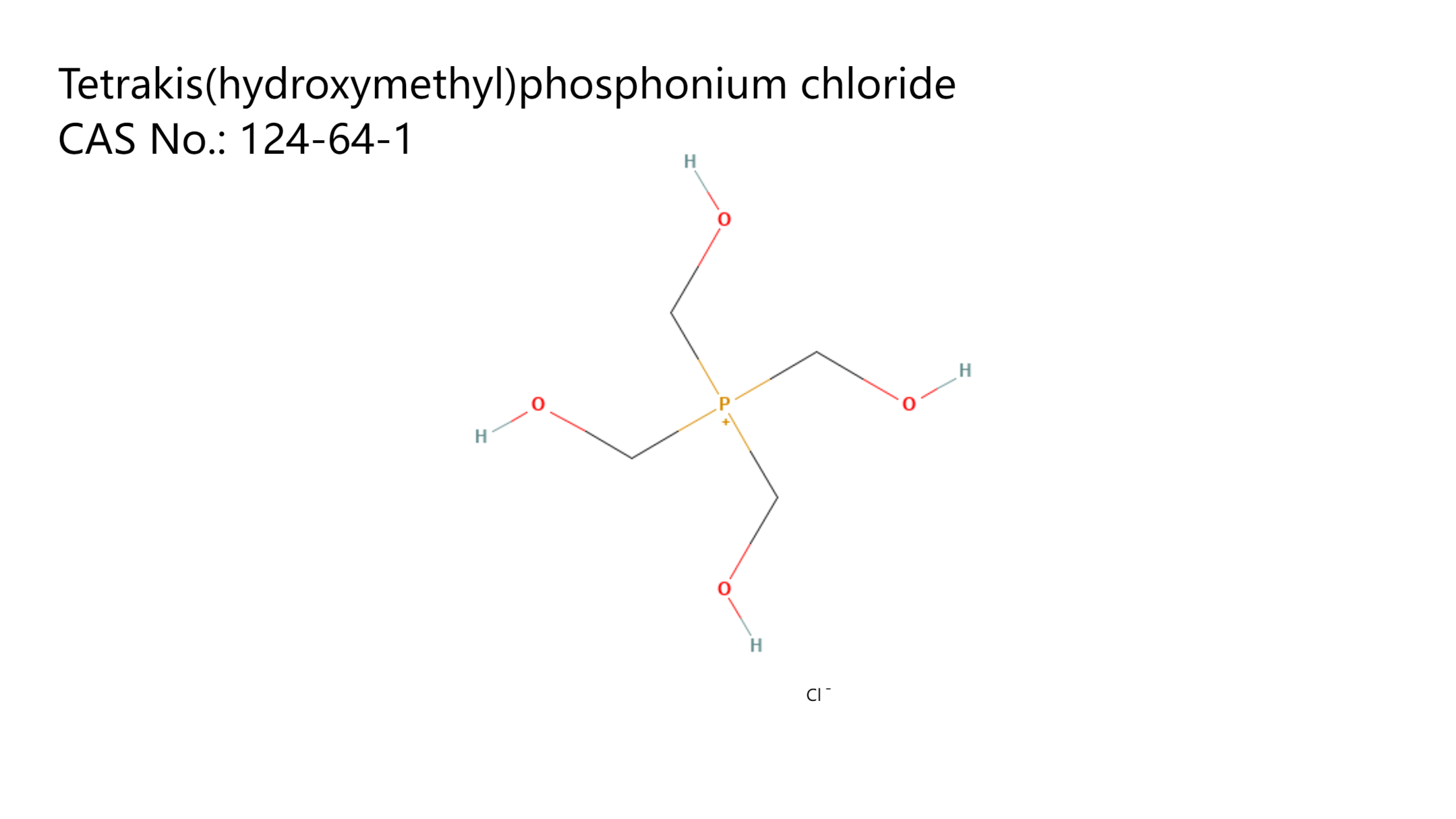
THPC
Tetrakis Hydroxymethyl Phosphonium Chloride is used as biocide, flame retardant for textiles, etc. 80% liquid, biodegradable.
-
Triethanolamine quaternary compounds
Di(palmiticcarboxyethyl) Hydroxyethyl Methyl Ammonium Methylsulfate CAS Number: 91995-81-2;EC No.: 295-344-3; Chemical names:Fatty acids, C10-20 and C16-18-unsaturated, reaction products with triethanolamine, dimethyl sulfate-quaternized;Fatty acids, (C=10-20) and (C=16-18)-unsated., reaction products with triethanol amine, di-Me sulfate-quaternized; CAS#91995-81-2 is one of TEAQ (Triethanolamine quaternary compounds), which is belong to Ester Quats (Ester Quaternary Ammonium Salts). It is an ideal…
-

Ester Quaternary Ammonium Salt
TEAQ (Triethanolamine quaternary compounds), DEEDMAC (diethyloxyester dimethylammonium chloride), HEQ, etc.
-
Alkyl PolyGlycosides APGs
Alkyl PolyGlycosides (APGs) are nonionic surfactants, compounds synthesised from glucose and fatty alcohols. APG 0810 has between 8 and 10 carbon atoms in its molecular structure. APG 1214 may contain more carbon atoms in its molecular structure, resulting in a relatively high viscosity. Uses For daily chemical, we can provide APGs made from renewable plant…
-
Difference between APG0810 and APG1214
Alkyl Polyglycosides, APG0810, APG1214, Applications, Cosmetic Ingredient, Nonionic surfactants, SurfactantsAlkyl polyglycosides (APGs) are compounds synthesised from glucose and fatty alcohols, nonionic surfactants. The main difference between alkyl polyglycoside 0810 and 1214 lies in their molecular structure and performance characteristics: APG0810 is more permeable and is usually used more in industrial applications.APG1214, in contrast, is milder and is more often used in household detergents. In…
-

Chelating capacity and stability
Applications, Chelating Agents, Complexing Agent, Cosmetic Ingredient, sequestering agent, washing agent, Water Treatment ChemicalsChelating Agents List What are chelating agents? Stability constants (logK values) – in active pH range Stability constants (logK values) – in active pH range Metal ion EDTA DTPA GLDA MGDA IDS Al3+ 16.4 18.6 12.2 7.7 14.1 Ba2+ 7.8 8.6 3.5 4.8 3.4 Ca2+ 10.7 10.7 6.4 7 5.2 Cd2+ 16.5 18.9 9.1 10.6 8.4 Co2+…